
FREE DELIVERY & INSTALLATION
Agricultural Barns That Work as Hard as You Do
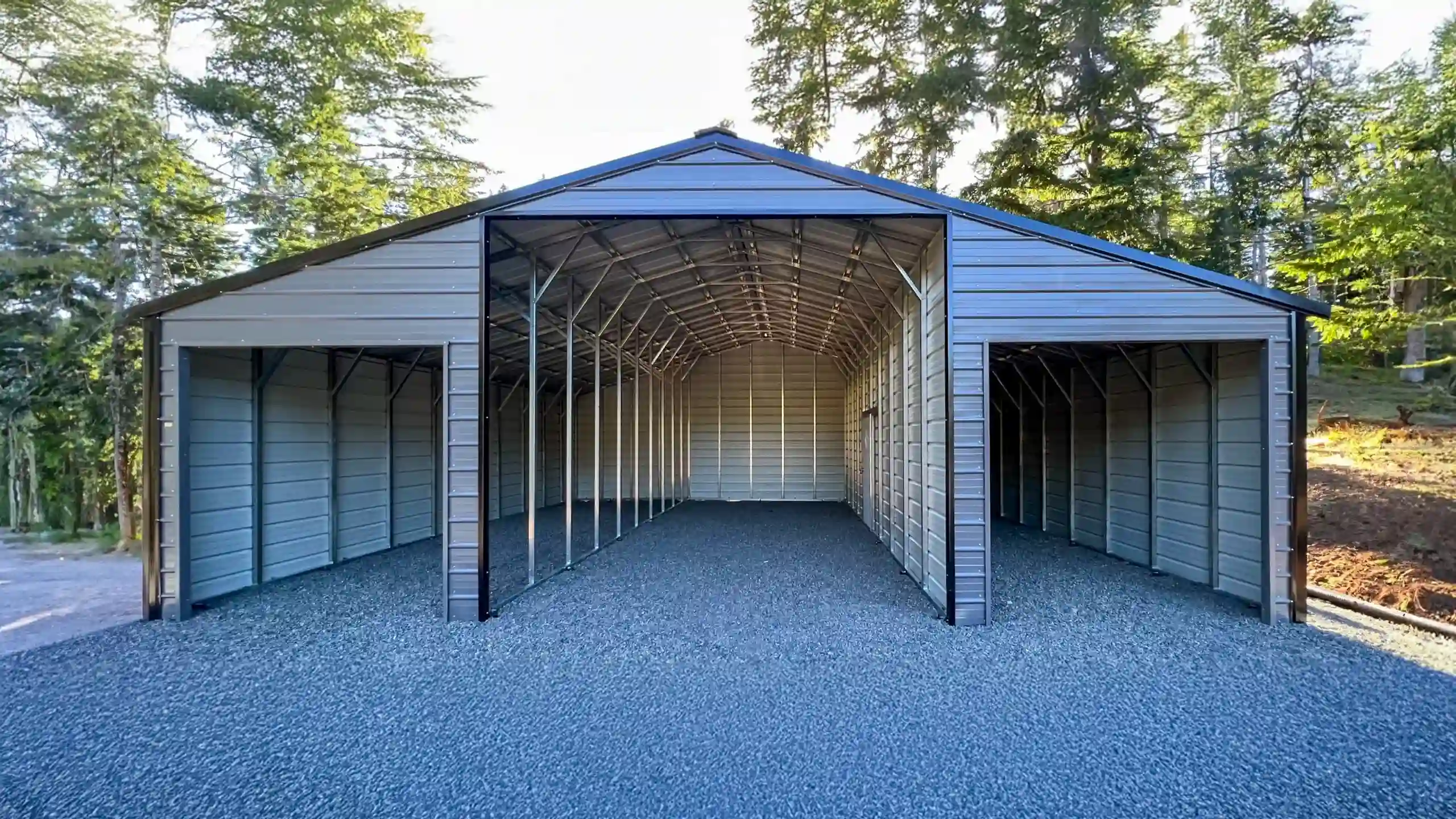
FREE DELIVERY & INSTALLATION
Agricultural Barns That Work as Hard as You Do
A Barn That Fits the Rhythm of Your Farm
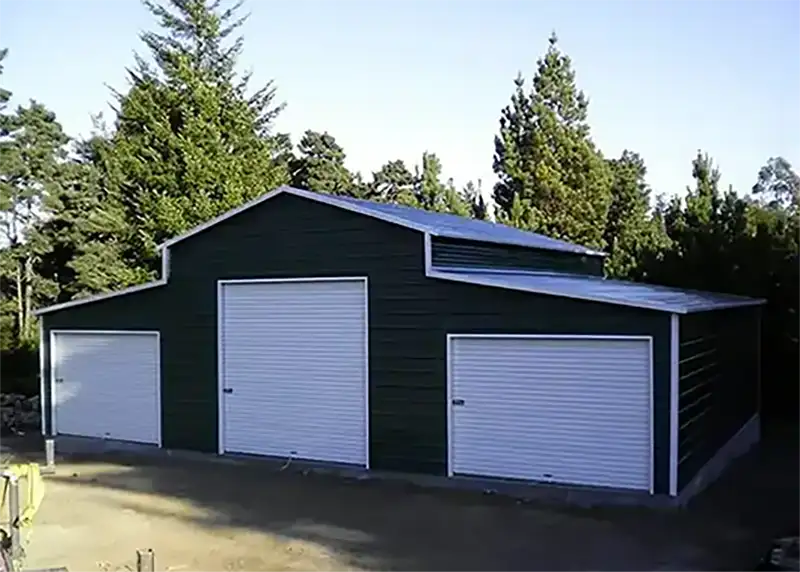
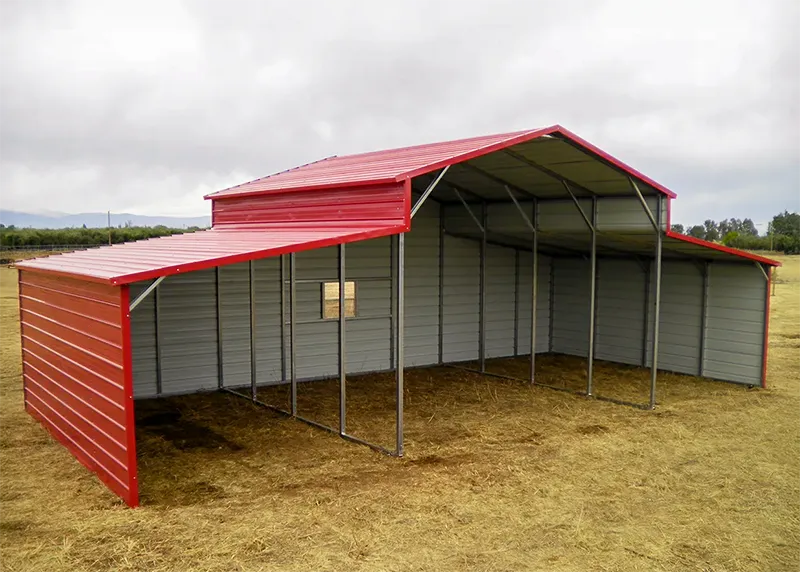
A Structure Shaped by Function and Field Experience
Typical Widths for Mixed Farm Use

Steel Protection That Holds Up Season After Season
Resists Pests
Resists Moisture
Resists Fire
Year-Long Durability
Before You Build
1
Checking local permit requirements
2
Ensuring building site
is Level before installation
3
Make sure site is clean, clear, and ready for installation
Need a Quote? Have a question?
Talk with a Pro.
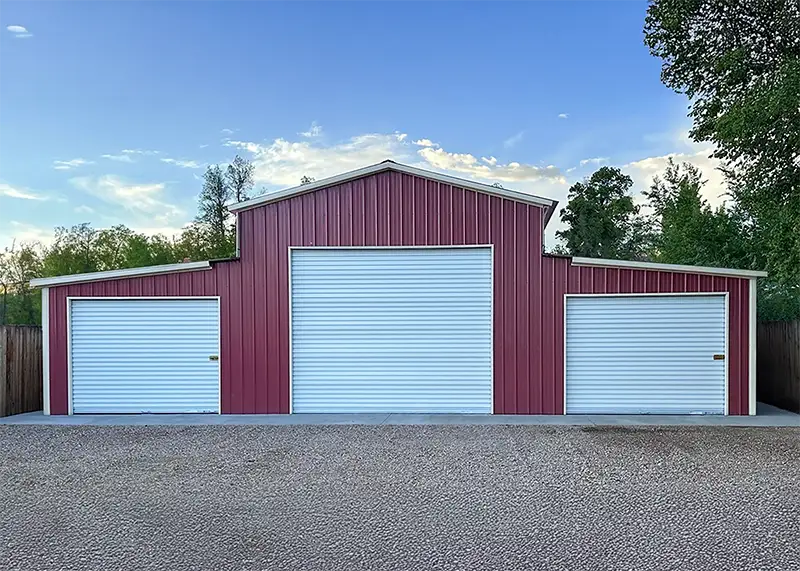
Efficient Installation & Flexible Ways to Invest
Built for Livestock, Equipment, & Harvest Storage
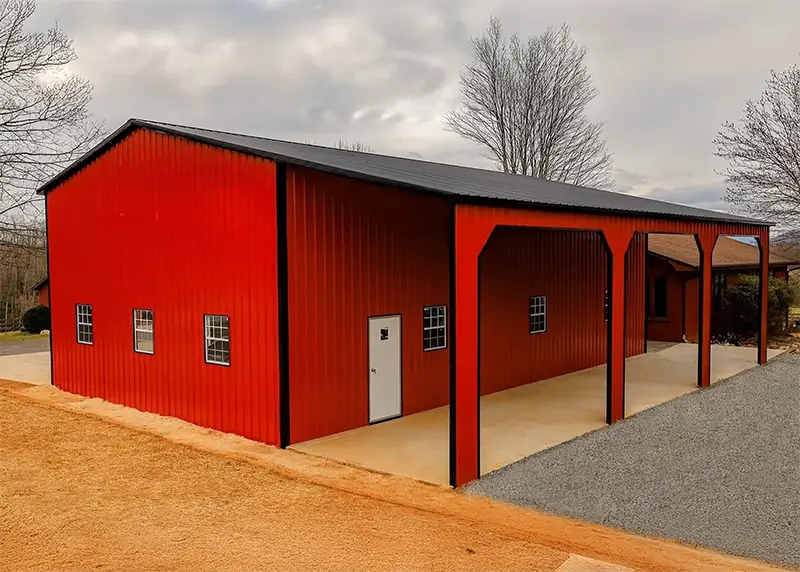
Ventilation keeps air moving for livestock comfort, while enclosed or partially enclosed walls help protect against wind and rain and still allow natural light and airflow. You can include secure feed rooms, tack rooms, or lean-to sections that create sheltered outdoor space and help you manage feed inventory.
Steel construction supports wide spans, tall clearances, and customized openings so the same building can support many different agricultural uses on your farm. Used this way, your barn becomes the dependable center of your operation, a strong, secure hub that is ready for daily use in every season.
Why Farmers Trust Pro Metal Buildings
Design Your Agricultural Barn Today
Tutorial: Easily Design Your Barn in Our Builder
We Provide Agricultural Barns Nationwide
FAQs for Agricultural Barns
What size barn works best for mixed farm use?
Most agricultural barns used for mixed purposes are 30 to 60 feet wide, depending on whether the space is used for livestock housing, equipment storage, hay storage, or a combination of all three. Larger widths are common when housing machinery alongside animals.
Can I create separate areas inside?
Absolutely. Agricultural barns can be customized with interior walls, partitions, stalls, and lean-to additions to create dedicated areas for feed storage, livestock stables, equipment rooms, or workspaces.
Are these barns suitable for livestock?
Yes. When designed with proper ventilation, spacing, and optional insulation, steel agricultural barns provide a durable and comfortable environment for livestock such as horses, cattle, goats, and other farm animals.
What type of foundation is needed?
A level concrete slab or properly compacted gravel pad is commonly used for agricultural barns. Foundation choice depends on livestock type, equipment weight, and local building requirements. Engineered plans are typically provided to guide site preparation.